Reconstructing faces
Where a coin, a mosaic, a seal or a contemporary’s description survives, a face can be assembled from it. That is a reconstruction — and it is labelled as one, with the evidence it stands on listed beside it.
Project in preparation
Panteon gathers everyone who ruled this land — from the Huns to the present — and gives them their faces back. Because out of 514 entries in the register, 391 carry no trace of an appearance: no portrait, no coin, not even a written description.
514register entries
386names
103state formations
Every dot is one entry in the register. A lit dot means some trace of the face survives: a photograph, a portrait, a mosaic, a coin, or at least a description by a contemporary. A hollow one means nothing survives. Hover over a dot, or tap it.
514 entries
Loading the register…
photograph portrait iconography, mosaic coins description some record no trace at all
Hover or tap a dot — the record appears here.
Where a coin, a mosaic, a seal or a contemporary’s description survives, a face can be assembled from it. That is a reconstruction — and it is labelled as one, with the evidence it stands on listed beside it.
Events of the past told as a news feed and illustrated with a miniature of their own era — the way a contemporary would have seen them, not the way a textbook does.
Who ruled where and when on this land, from the Cimmerians to independent Ukraine, together with whatever is known about how they looked.
The order matters: a photograph is a document, a coin is testimony, a retelling is a guess. Panteon does not pile them together and does not pass a guess off as a document. The counts come from that same register.
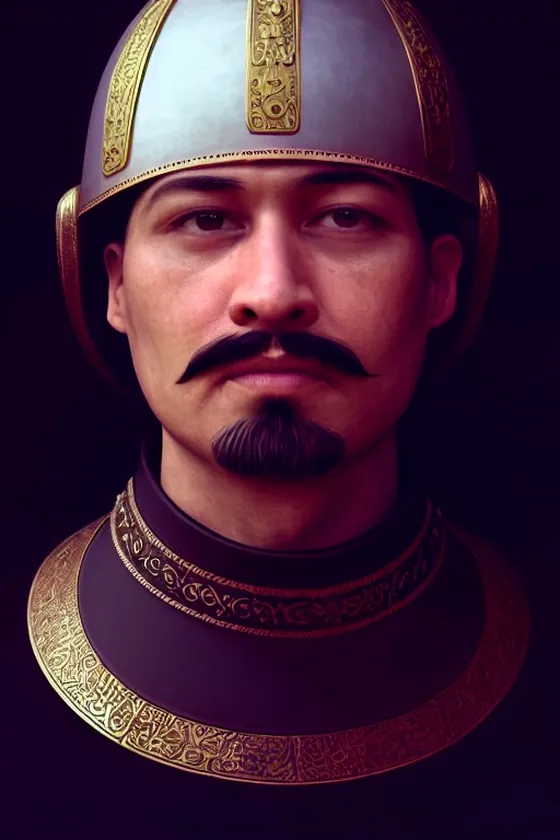
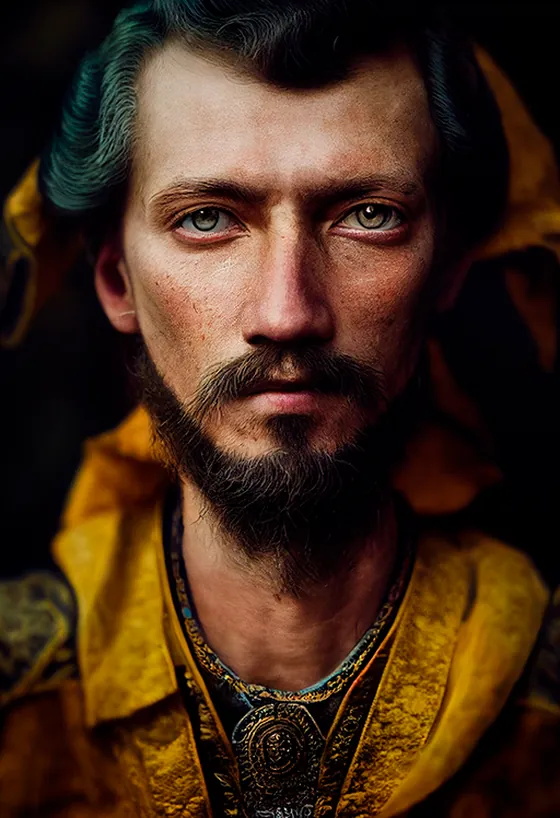
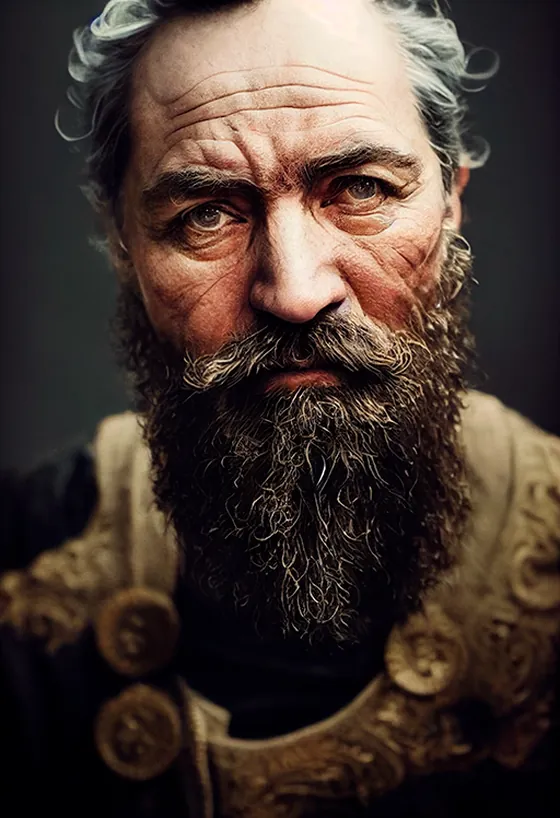
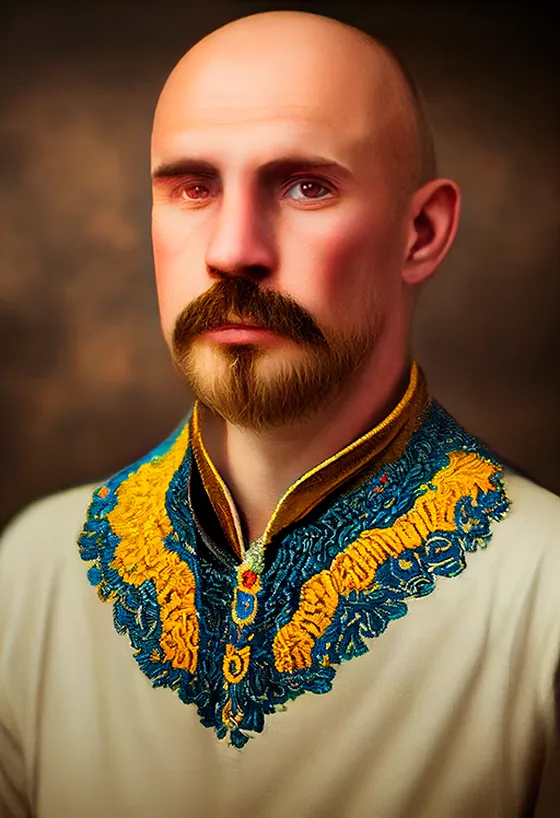
These are not portraits. None of these faces depicts a specific historical person or rests on a source made during that person’s lifetime — they are style samples produced by generative models. Labelled reconstructions will appear only where there is evidence under them, and the evidence will be named alongside.
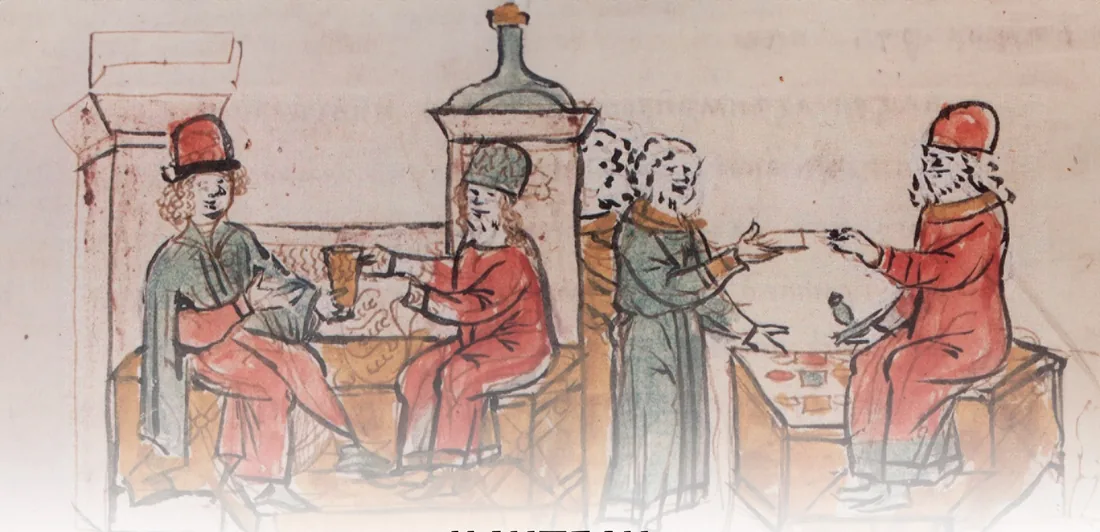
The history-as-news format: a miniature of the era instead of a photo from the scene.
The register was compiled from open sources and merged from two separate lists. That is why 514 entries yield 386 names: some rulers appear more than once — both because the lists overlap and because one person genuinely ruled in several state formations.
This is a working file, not a scholarly edition. Names, periods and statuses are spelled inconsistently, and the “trace of appearance” column sometimes says “yes” without naming a source. We show it as it is — the gap being visible is exactly why Panteon starts.
There is no site yet; this is its first page. Next in order: a cleaned register with sources, the first reconstructions with the evidence under each, and the news feed.